DEC and the Minicomputer Era
Abstract
In 1957 two engineers from MIT’s Lincoln Laboratory, Ken Olsen and Harlan Anderson, rented space in a nineteenth-century woolen mill in Maynard, Massachusetts, and with $70,000 of venture capital built the company that created the minicomputer. Digital Equipment Corporation’s machines (the PDP-1, the PDP-8, the PDP-10, the PDP-11 and the VAX) put interactive computing into laboratories, factories and university departments, ran most of the early ARPANET and hosted the first versions of Unix. By the late 1980s DEC was the second-largest computer company in the world, with $14 billion in sales and about 130,000 employees. It then lost billions as the personal computer and the commodity server undercut its proprietary systems, sold off its divisions one by one, launched AltaVista, the leading web search engine of the mid-1990s, and in 1998 was bought by Compaq, a PC maker founded in 1982, for $9.6 billion.
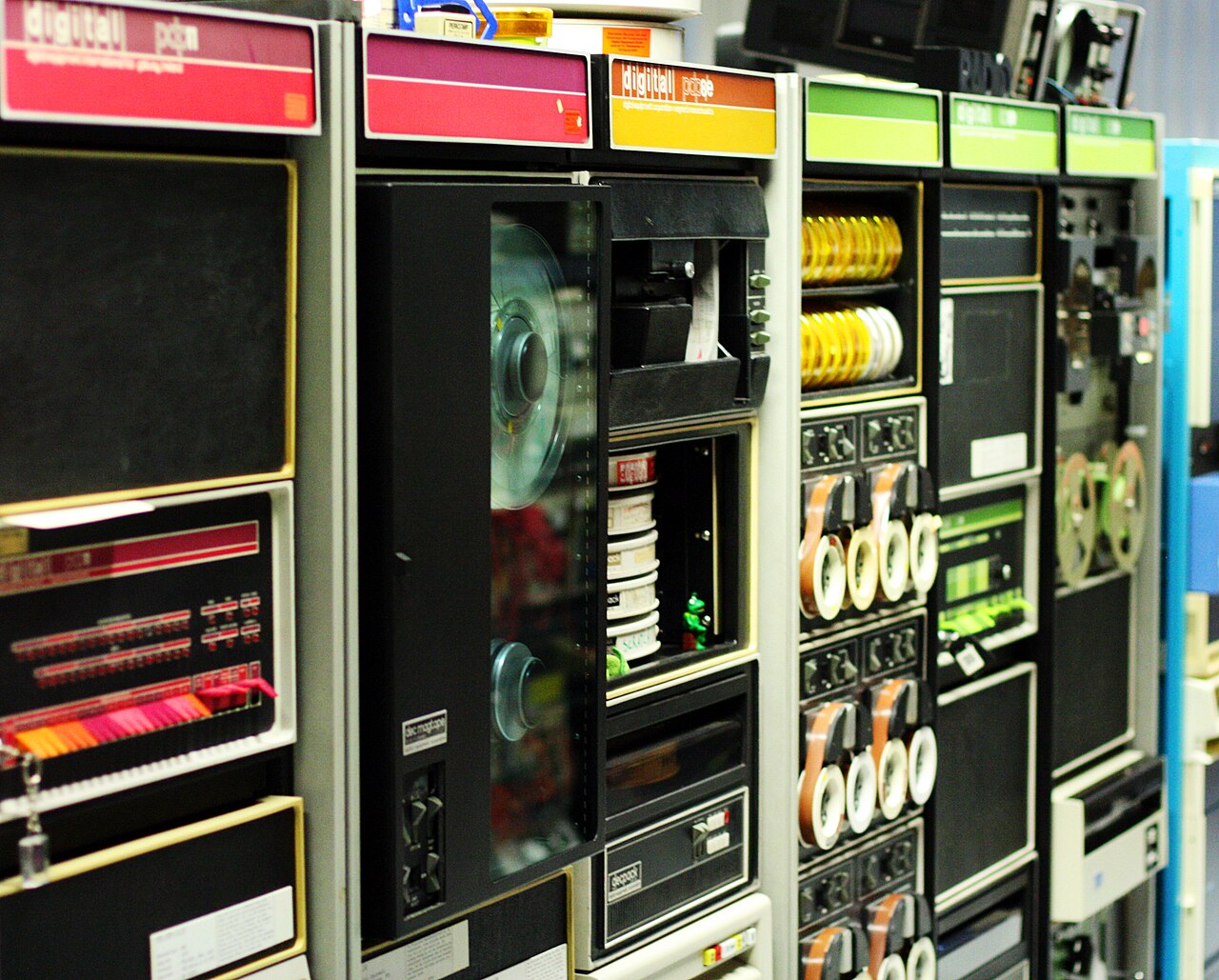
Two Engineers and a Mill
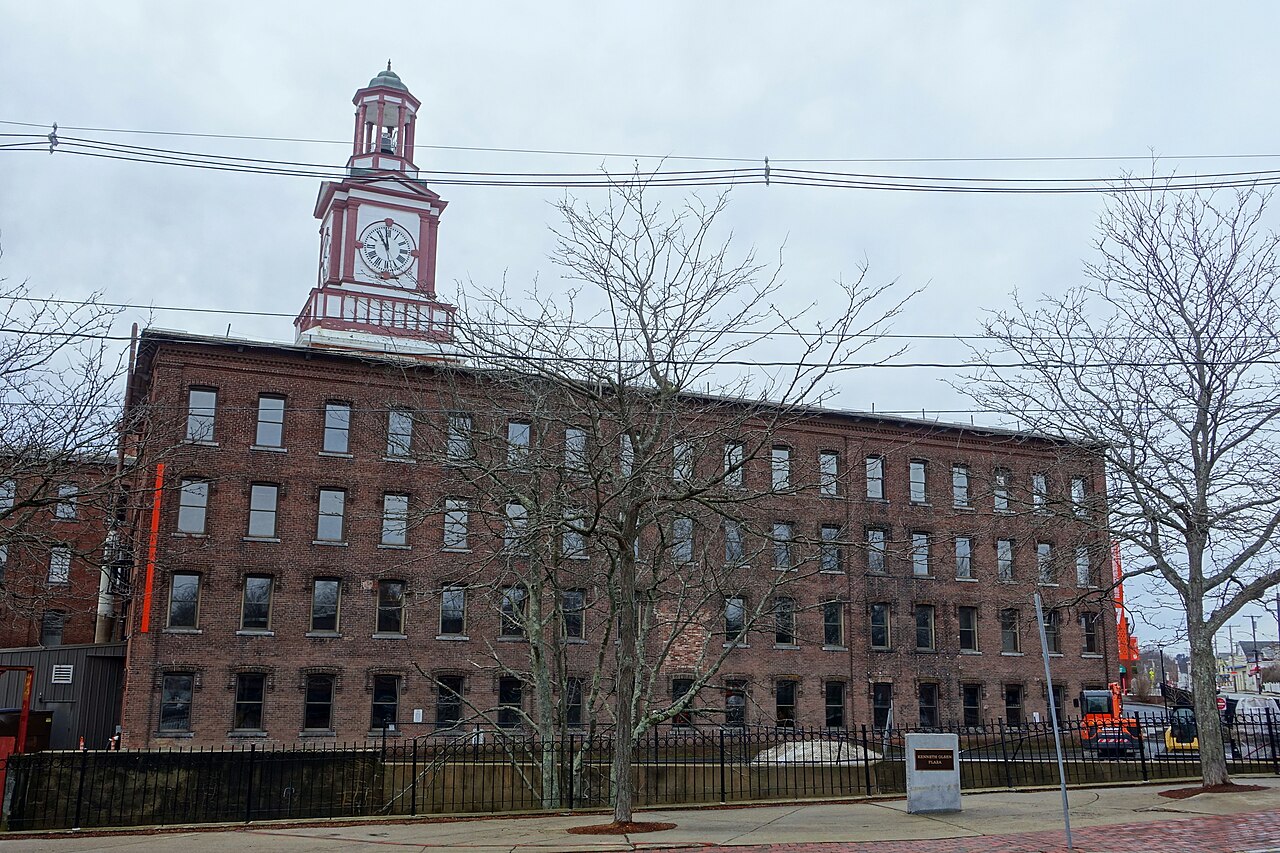
Kenneth Olsen (1926–2011) and Harlan Anderson met at MIT’s Lincoln Laboratory, where Olsen had worked on the TX-0 and TX-2, transistorized research computers built to test new memory and circuit designs. They showed something the commercial world had not yet accepted: a computer could be interactive, used directly by one person at a console with a screen, rather than fed batch jobs through a staff of operators.
In 1957 the two left to start their own company. They took their plan to American Research and Development Corporation (ARDC), the first publicly owned venture-capital firm, run by the Harvard Business School professor Georges Doriot. ARDC invested $70,000 for a 70 percent stake, plus a $30,000 loan. Doriot’s advisers warned that the computer market was dominated by IBM and that investors considered computers too risky, so the founders called the company Digital Equipment Corporation and promised to sell circuit modules for laboratories first. The company was founded on 23 August 1957 and started with three people, Olsen, Anderson and Olsen’s younger brother Stan; a year later sixty worked there, and from the start DEC hired women as engineers and technicians. They rented space in the Assabet Woolen Mill in Maynard, a nineteenth-century textile factory, which stayed DEC’s headquarters until 1992. By the early 1970s ARDC’s stake was worth about $355 million, a return of more than 5,000 times, and the deal became the founding legend of the venture-capital industry.
DEC’s culture came from Lincoln Laboratory. Engineers were given wide freedom, products were often built by competing internal teams, and decisions were reached by consensus. It sold to engineers and scientists who wanted to program the machines themselves, documented its hardware in detail and encouraged customers to build it into their own equipment.
The PDP-1
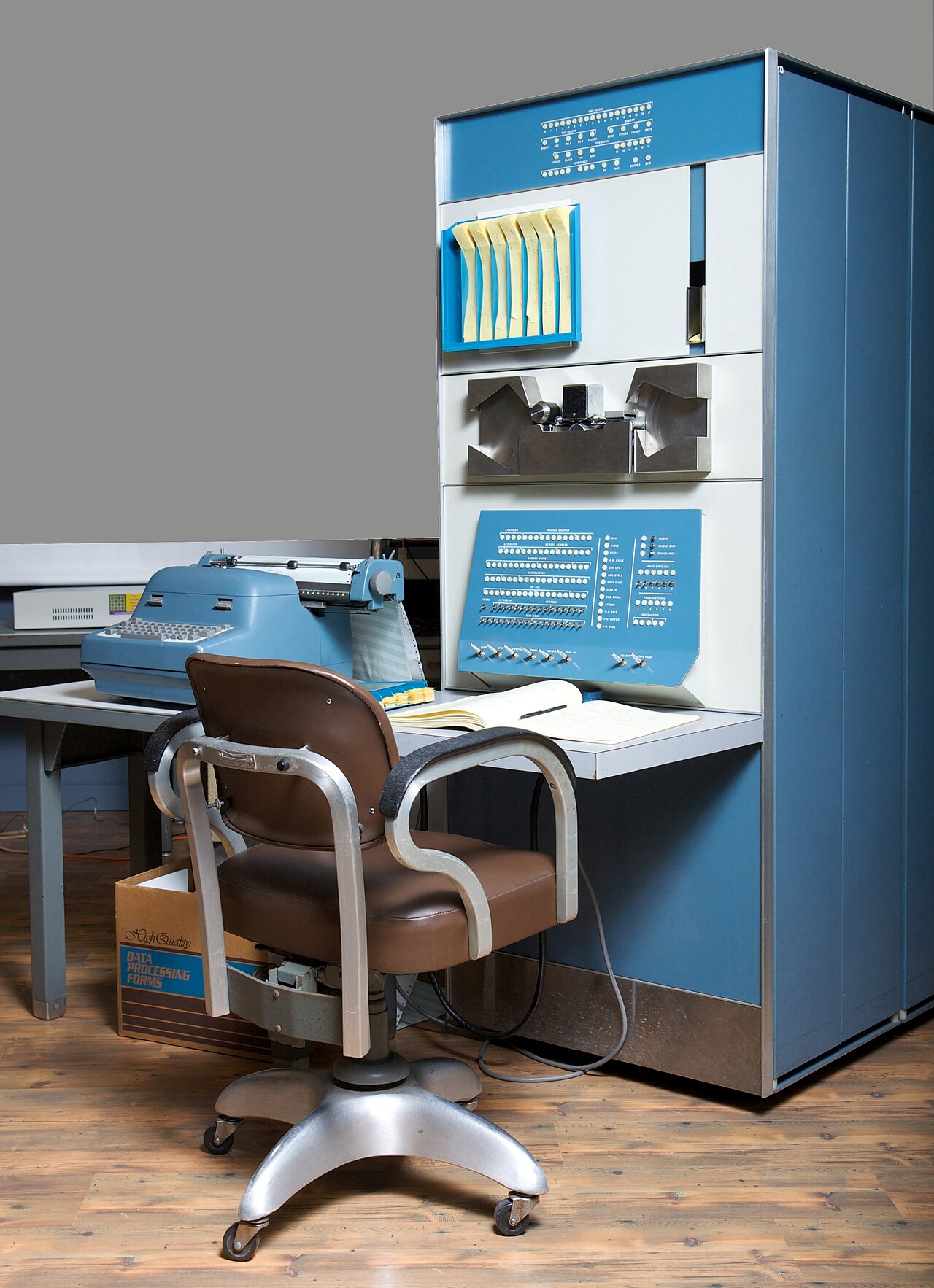
DEC’s first computer, the PDP-1, shipped in November 1960. The name stood for Programmed Data Processor; the company still avoided the word “computer”. The first customer was the Cambridge research firm Bolt Beranek and Newman, which later built the ARPANET’s routers. The PDP-1 cost about $120,000 when mainframes cost millions, and it came with a cathode-ray display.
At MIT, students on the PDP-1 that DEC gave to the university wrote Spacewar! in 1962, one of the first video games, and the hackers of the Tech Model Railroad Club used it as their playground. A mainframe could not have hosted either: both depended on sitting at the machine and getting an answer immediately.
The PDP-10 and Time-Sharing
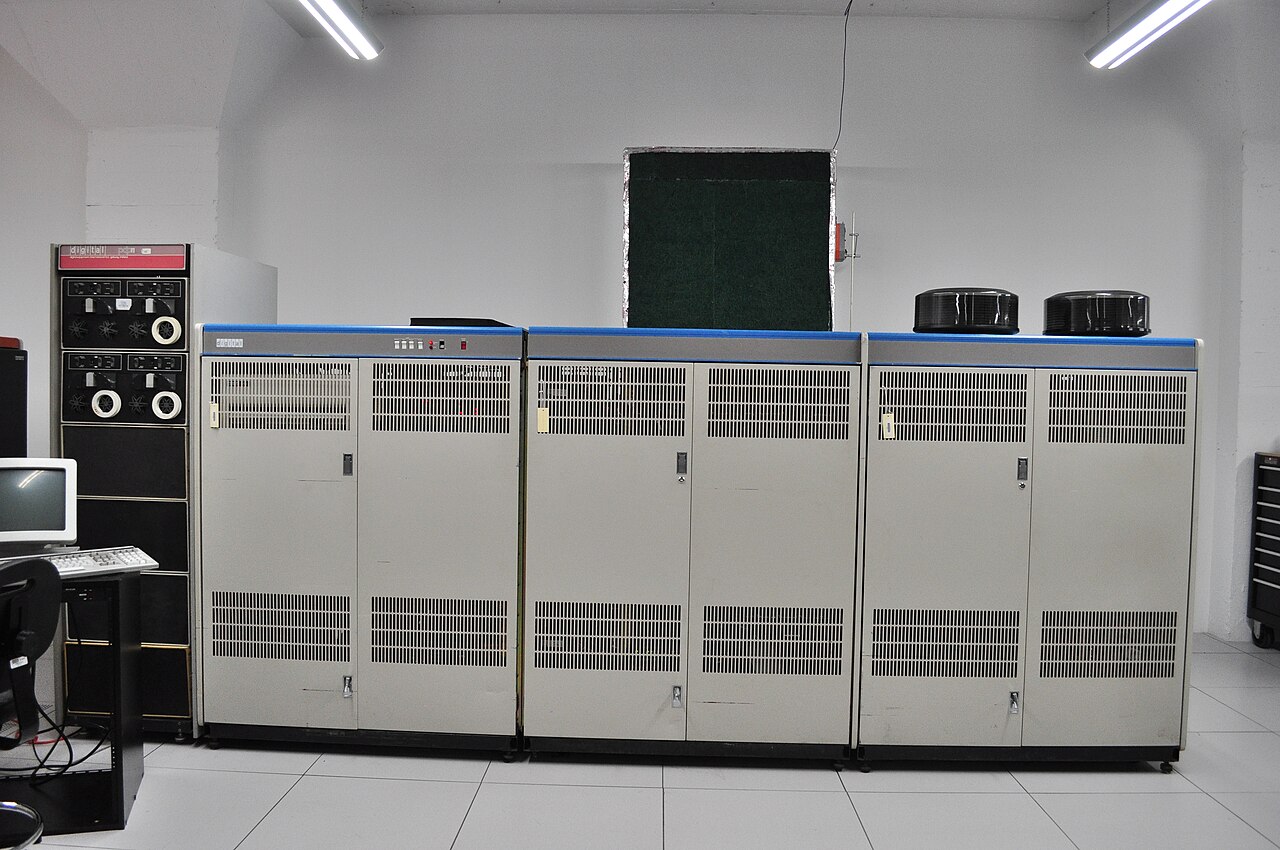
DEC’s large machines were built for time-sharing, which let many users work at terminals at once (see Fernando Corbató and Time-Sharing). The 36-bit PDP-6 of 1964 was followed by the PDP-10, manufactured from 1966 and delivered from December 1967, later sold as the DECsystem-10. It became the standard computer of American artificial-intelligence research and of the early ARPANET. Its operating systems TOPS-10 and TENEX, and at MIT the home-grown Incompatible Timesharing System (ITS), ran on a large share of the network’s first hosts. Much of hacker culture, from the Jargon File to Emacs, grew up on PDP-10s, and commercial time-sharing services such as CompuServe rented PDP-10 time to the public. DEC discontinued the line in 1983 to concentrate on the VAX.
The PDP-8 and the Minicomputer
The product that defined the company was much smaller. It grew out of a request from Canada’s Chalk River nuclear laboratory for an analog-to-digital system, which Gordon Bell answered with a compact 12-bit computer, the PDP-5 of 1963 at $27,000; more than a hundred were sold. The PDP-8, introduced on 22 March 1965 at the IEEE convention in New York at $18,500 (advertised as the “$18,000 Digital Computer”), with 4,096 words of memory and a 1.6-microsecond cycle, was a 12-bit computer that fit on a bench or in a rack inside other equipment. Its chief engineer was Edson de Castro. It is widely regarded as the first commercially successful minicomputer: 45 were on order at the launch, the first went to a customer in April 1965, 1,450 of the original model were sold by 1968, and depending on how the family is counted DEC built between 50,000 and 300,000 PDP-8s and their descendants by 1990. Laboratories wired PDP-8s into instruments and factories into machine tools; customers bought the machine outright rather than renting time on a mainframe, and a department could buy one without asking the central computing office.
The PDP-8 also produced DEC’s most consequential defection. De Castro had proposed a 16-bit successor in 1967 and was turned down. On 15 April 1968 he and three colleagues founded Data General, financed by George Cogar and housed at first in a former hair salon in Hudson, Massachusetts; in 1969 they released the Nova, a 16-bit minicomputer for under $4,000 that sold some 50,000 units, and went public the same year. The Eclipse line followed in 1974 and the 32-bit Eclipse MV/8000, Data General’s answer to the VAX, in 1980; revenue reached $1 billion in 1984, but the company’s DG/One laptop of that year failed, and EMC bought what was left in 1999. The resulting rivalry, and the many Route 128 companies that followed (Prime, Wang, Apollo and others), made the Boston area the center of the minicomputer industry, a story told from the Data General side in Tracy Kidder’s The Soul of a New Machine (1981).
The PDP-11
DEC answered the Nova with the 16-bit PDP-11, released in 1970. Its instruction set was regular and easy to program, any instruction could use any register in any addressing mode, and devices appeared as memory addresses on a single bus, the Unibus. More than 600,000 PDP-11s of all models were sold over its lifetime, one of the largest production runs of any computer architecture of its time.
The PDP-11 was also where modern system software grew up. Unix was moved to a PDP-11 at Bell Labs in 1970, and C was developed on it. Universities that licensed Unix cheaply from AT&T ran it on PDP-11s, which meant a generation of computer scientists learned operating systems on DEC hardware running software DEC did not sell.
The VAX
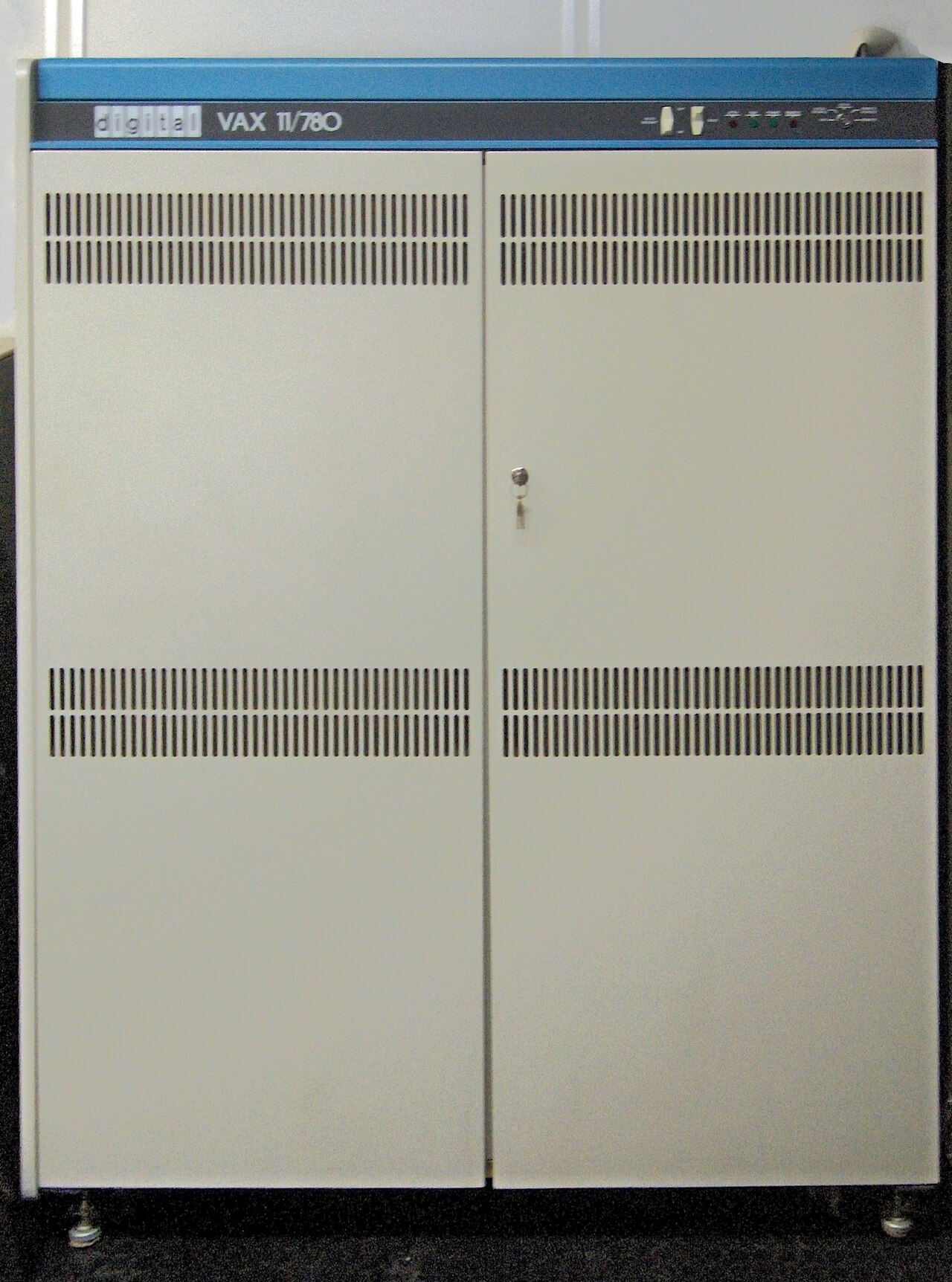
The PDP-11’s 16-bit addresses limited programs to 64 kilobytes at a time. In October 1977 DEC announced the VAX (Virtual Address eXtension), a 32-bit architecture with virtual memory, and shipped the first model, the VAX-11/780, in 1978. Development had begun in spring 1975 under Bill Demmer, with Roger Gourd leading the software team, and the machine was unveiled at the shareholders’ meeting on 25 October 1977: $141,000, about 500,000 operations a second, 4 gigabytes of virtual address space and 1 megabyte of real memory. The first went to Carnegie Mellon; CERN and a Max Planck institute installed theirs in 1978. The MicroVAX, announced in October 1983, and the MicroVAX II of May 1985, under $20,000, put the architecture on a microprocessor, and East Germany’s Robotron built VAX copies. Its operating system VMS, with Dave Cutler among its chief designers, set standards for reliability, security and clustering: in a VAXcluster several machines shared disks and appeared to users as one system. The VAX’s performance became a unit of measurement; benchmarks of the 1980s quoted processors in “VAX MIPS”.
DEC built a complete world around the VAX. The VT100 terminal of August 1978 was the first commercially successful terminal to use the ANSI X3.64 escape codes for cursor movement and screen control; every terminal emulator in use today still interprets them. In September 1980 DEC, Intel and Xerox published the “DIX” specification of Ethernet, which became the basis of the IEEE 802.3 standard. DEC’s own networking architecture, DECnet, connected VAXes into large corporate and research networks. Engineering firms, universities, banks and the scientific world ran on VAX/VMS through the 1980s.
At its peak in the late 1980s DEC had about $14 billion in annual sales and some 130,000 employees, second only to IBM among computer companies. In 1987 commentators described it as threatening IBM’s position at the top of the industry.
Alpha and StrongARM
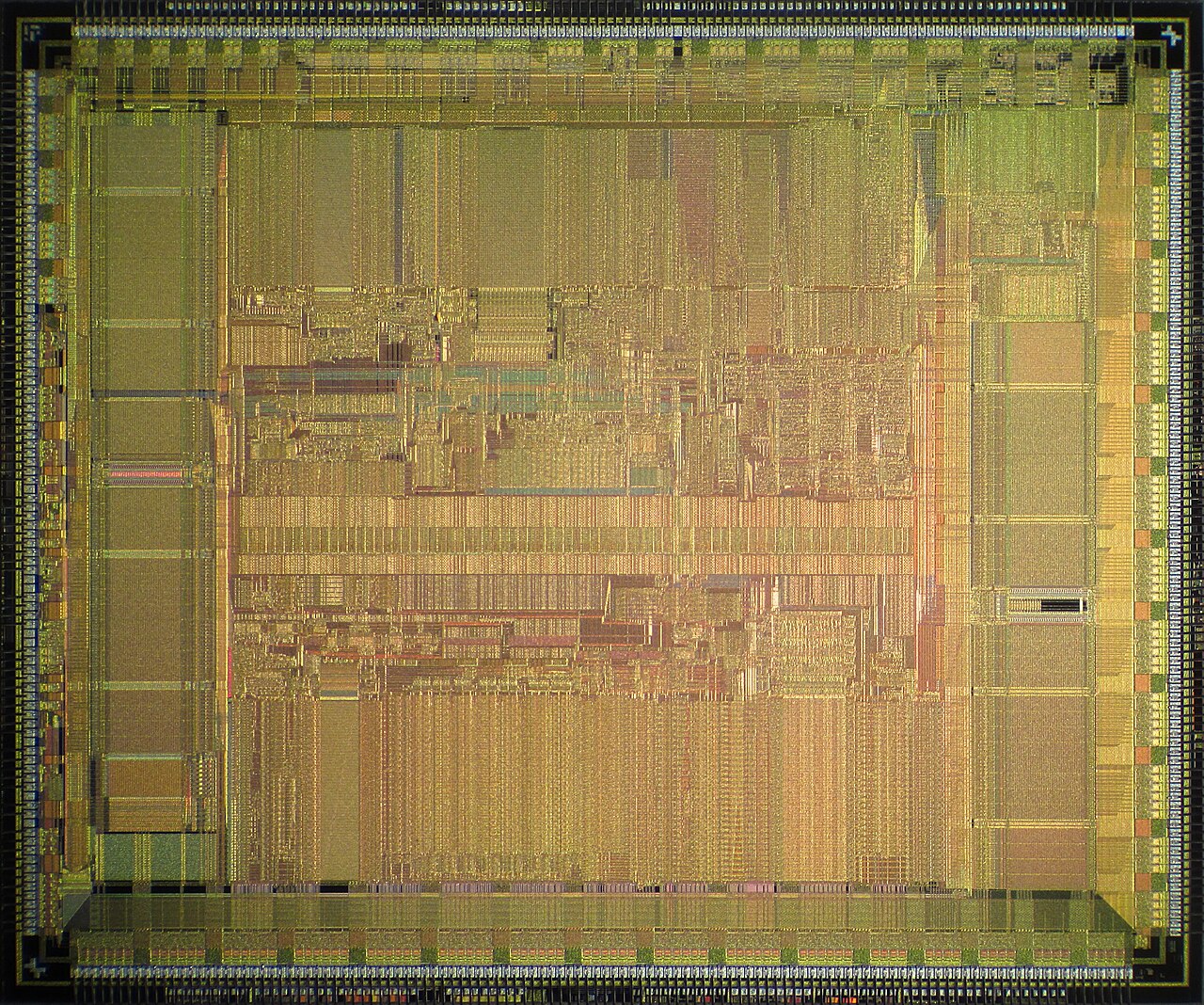
DEC’s engineers kept producing advanced hardware while its business declined. The Alpha architecture, introduced in 1992 with the DECchip 21064, was one of the first 64-bit RISC microprocessor designs and for years was among the fastest microprocessors available (see RISC vs CISC). Alpha machines ran VMS, DEC’s Unix and Microsoft’s Windows NT, which Cutler’s team had designed to be portable. DEC also licensed the ARM architecture and in 1996 produced StrongARM, a fast, low-power ARM processor for handheld devices.
Neither saved the company. Alpha systems were expensive, software vendors were slow to port to them, and the chips were made in DEC’s own fabrication plant at Hudson, Massachusetts, which needed volumes DEC could not supply. DEC sued Intel in 1997, alleging that the Pentium infringed Alpha patents. In the settlement of October 1997 Intel bought the Hudson fab and the StrongARM business for about $700 million, and the two companies cross-licensed their patents. Intel turned StrongARM into its XScale line.
AltaVista
DEC’s last success with the public came from its research laboratories. Paul Flaherty, Louis Monier and Michael Burrows of DEC’s research labs in Palo Alto built a web search engine to show off what Alpha servers could do. AltaVista went online on 15 December 1995. It indexed the full text of the web, accepted queries in natural language and Boolean form, and ran on about twenty multi-processor Alpha machines answering some 13 million queries a day. For a few years it was the search engine most people used.
DEC treated AltaVista as a demonstration rather than a business. When Compaq bought DEC, AltaVista came with it; in August 1999 Compaq sold an 81.5 percent stake to the internet holding company CMGI in a deal valued at about $2.42 billion. AltaVista then tried to become a portal at the moment Google showed that a clean search page was what users wanted. In April 2003 Overture bought the business for about $146 million, $60 million of it in cash and the rest in stock, and Yahoo, which acquired Overture the same year, shut the AltaVista site in 2013 (see The Search Engine Wars).
The Fall
DEC’s revenue depended on proprietary systems: its own processors, operating systems, networks, terminals and service contracts, sold together at high margins. Workstations from Sun and Apollo, PCs running Novell networks, and then servers built on Intel processors and Unix or Windows NT offered much of the same capability at a fraction of the price. DEC’s sales stalled at the end of the 1980s, and in fiscal 1992 it lost $2.8 billion.
The board forced Olsen to resign in July 1992. His successor, Robert Palmer, who had joined DEC in 1985 and run its semiconductor operations, became president and chief executive and spent six years shrinking the company. Between 1993 and 1998 DEC laid off more than 60,000 people and sold its divisions: the Rdb database to Oracle (1994), the disk-drive business to Quantum (1994), networking to Cabletron (1997), and the Hudson fab and StrongARM to Intel (1997).
On 26 January 1998 Compaq agreed to buy what remained for $9.6 billion, the largest acquisition in the computer industry up to that time; the deal closed in June. Compaq struggled to integrate a company with a large service business and a different culture, and in 2002 it was itself absorbed by Hewlett-Packard. HP phased out Alpha in favor of Intel’s Itanium, and VMS passed in 2014 to a new company, VMS Software Inc., which ported it to x86. Ken Olsen died on 6 February 2011, aged 84.
Dead End
Myth: Ken Olsen said “there is no reason anyone would want a computer in their home” (1977)
He said it, but meant a single computer controlling the whole home (lights, heat, meals), the science-fiction “home of the future,” not the personal computer. The PC-dismissing reading is a later misinterpretation. See Myths and Misconceptions.
DEC had the engineers, the components and the customers to make personal computers and did not succeed with them. Ken Olsen’s remark at a 1977 World Future Society meeting, “There is no reason for any individual to have a computer in his home,” is quoted endlessly as proof that he did not understand the PC. In context he was rejecting the idea of a central computer running the household, not the personal computer.
The company’s actual attempt shows the problem better than the quotation. In 1982 DEC launched not one personal computer but three, from three internal groups: the Rainbow 100, which had both a Z80 and an 8088 processor so that it could run CP/M and MS-DOS but was not compatible with the IBM PC; the Professional, built around a PDP-11 processor with its own operating system; and the DECmate II, a word processor based on the PDP-8. They were incompatible with each other and with the IBM PC, which had arrived the previous year, priced above it, and supported by little third-party software. None sold in significant numbers.
The deeper difficulty was the business model. A minicomputer company sold complete systems with high margins and a service contract; the PC industry sold standard parts from Intel and Microsoft through dealers at low margins. Clayton Christensen used DEC and its fellow minicomputer makers as a principal example in The Innovator’s Dilemma (1997): companies that listened to their best customers, who wanted more powerful minicomputers, and so ignored a cheaper technology that those customers did not yet want. The minicomputer had done the same to the mainframe thirty years earlier.
DEC’s people spread through the industry after its breakup. VMS’s architect Cutler had already built Windows NT at Microsoft, Alpha engineers moved to AMD and Intel, and the interactive computer on every desk turned out to be the idea DEC had started with in 1957.
📚 Sources
-
Heinz Nixdorf MuseumsForum blog, “Computer aus der Mühle” (22 August 2017) (the founding date and first staff, the PDP-1’s production run)
-
Heinz Nixdorf MuseumsForum blog, “PDP-8 – der erste Minicomputer” (1 November 2022) (Chalk River and the PDP-5, the 1965 launch, orders, specifications and sales)
-
Heinz Nixdorf MuseumsForum blog, “Das Zeitalter der VAX” (3 October 2023) (the VAX project, the 25 October 1977 unveiling, specifications, first customers, MicroVAX)
-
Heinz Nixdorf MuseumsForum blog, “Harte Burschen und neue Maschinen” (12 April 2018) (Data General from 1968 to 1999)
-
Computer History Museum: Digital Equipment Corporation (DEC)
-
CHM Revolution: Minicomputers, Digital Equipment Corporation
-
Wikipedia: Digital Equipment Corporation: ARDC stake, Assabet mill, PDP-1 (November 1960, $120,000, BBN), PDP-8, PDP-11 units, VAX announcement, peak sales and employees, 1982 PCs, Olsen’s resignation, divestitures
-
Wikipedia: American Research & Development Corporation and Wikipedia: Early history of private equity: $70,000, $30,000 loan, $355 million
-
Wikipedia: PDP-8 · PDP-11 · VAX · DEC Alpha
-
Wikipedia: VT100: August 1978, ANSI X3.64
-
Tom’s Hardware, “The Ethernet spec was first drafted on this day in 1980” and ETHW Milestone: Ethernet LAN, 1973–1985
-
Wikipedia: Hudson Fab and Linley Gwennap, Microprocessor Report (17 November 1997): Intel settlement, $700 million
-
Wikipedia: AltaVista and Living Internet: AltaVista: founding team, launch 15 December 1995, Alpha hardware, query volume
-
Washington Post, “CMGI Buys AltaVista From Ailing Compaq” (30 June 1999) and CMGI Form 8-K (1999)
-
Overture Services Form 10-Q (2003): AltaVista purchase
-
Wikipedia: Robert Palmer (computer businessman): fiscal 1992 loss, layoffs
-
Digital Equipment Corp. Form 8-K (January 1998): Compaq merger agreement, $9.6 billion
-
The Register, “DEC founder Ken Olsen dead” (8 February 2011) and Wikipedia: Ken Olsen
-
Wikipedia: OpenVMS: HP’s Itanium port, VMS Software Inc. (2014), x86 port
-
Snopes: Did Ken Olsen Say There Was “No Reason” to Have a Home Computer?
-
Image: Three different (coloured) minicomputers from DEC.jpg by Wolfgang Stief (CC BY 2.0), via Wikimedia Commons
-
Image: DEC PDP-1 Minicomputer (1959) in Computer History Museum.jpg by Marcin Wichary (CC BY 2.0), via Wikimedia Commons
-
Image: DECSYSTEM-10 KL10 2065 (and part of a PDP-11).jpg by Joe Mabel (CC BY-SA 3.0), via Wikimedia Commons
-
Image: Alpha EV4S die.JPG by Pauli Rautakorpi (CC BY 3.0), via Wikimedia Commons